A brief timeline of the Oso mudslide
Published 3:20 pm Wednesday, March 20, 2024

















OSO — Here are some key dates related to the Oso landslide and its aftermath.
February 2006. Highway 530 sinks 6 inches along a 250-foot stretch between Arlington and Darrington. The Daily Herald runs a story headlined, “Slump in hill may isolate Darrington.” It reads: “The fear of a big slide was underscored by the massive collapse two weeks ago of a hillside just a mile away that blocked and diverted the Stillaguamish River.” Later, it becomes widespread public knowledge that the valley was home to dozens of major landslides over thousands of years.
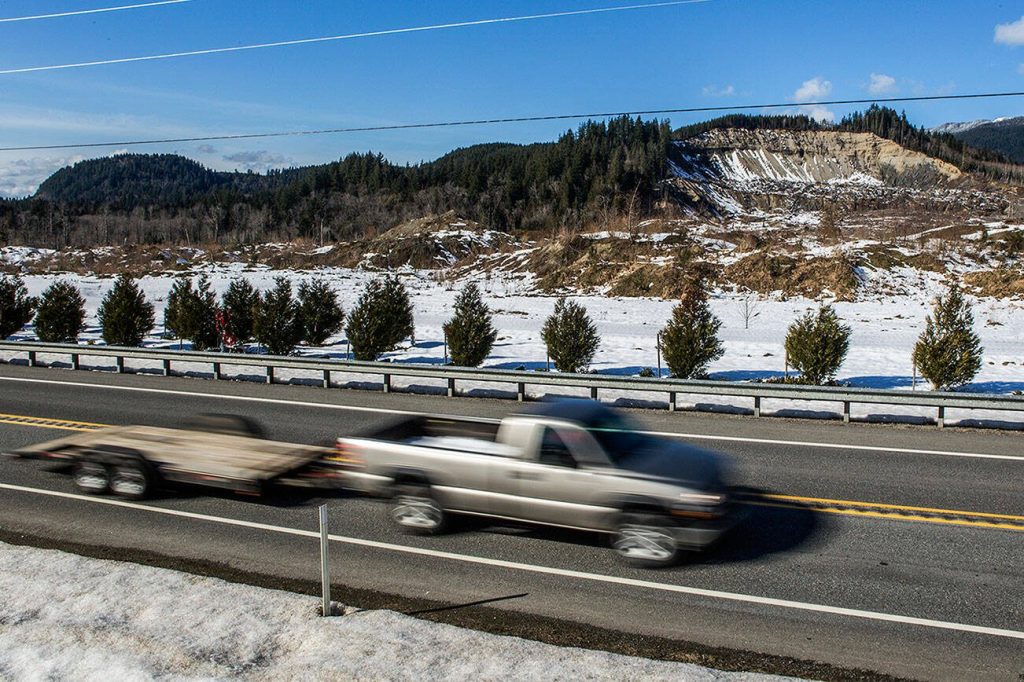
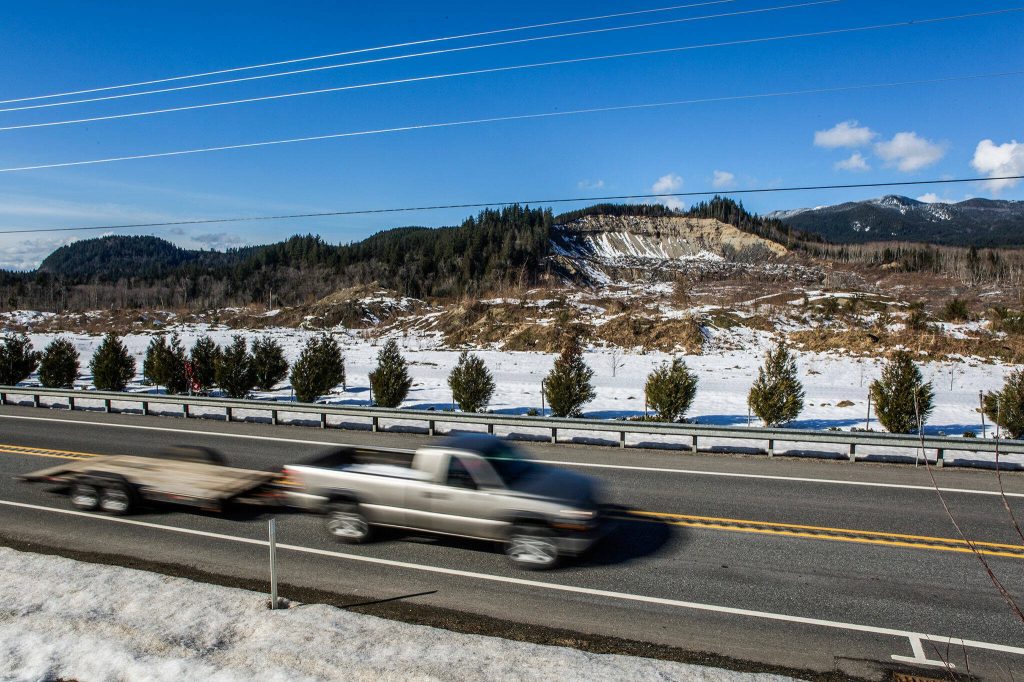
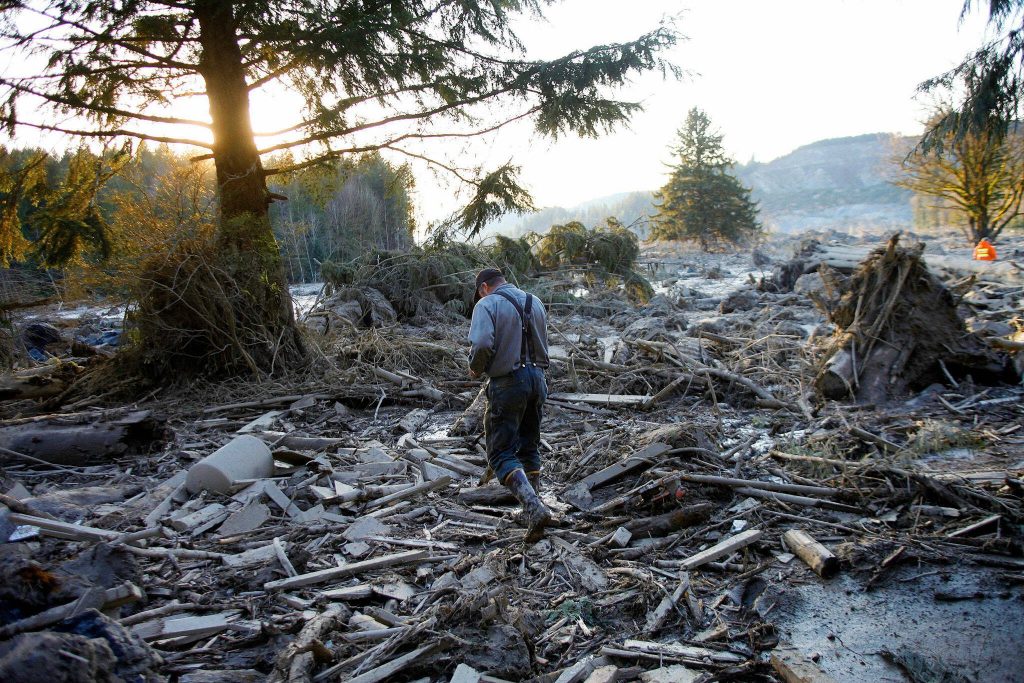
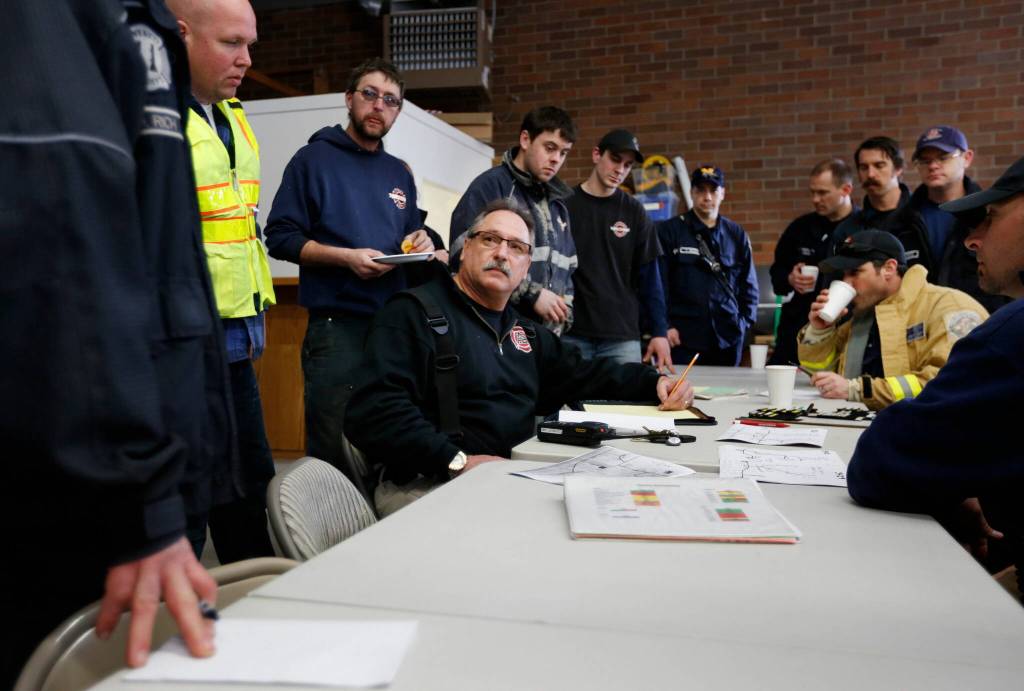
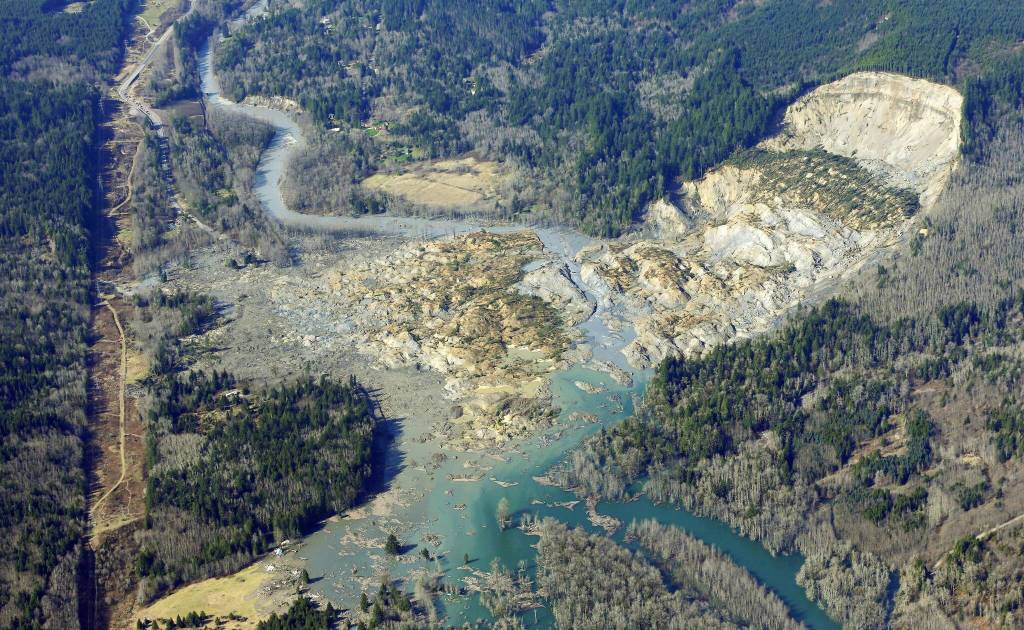
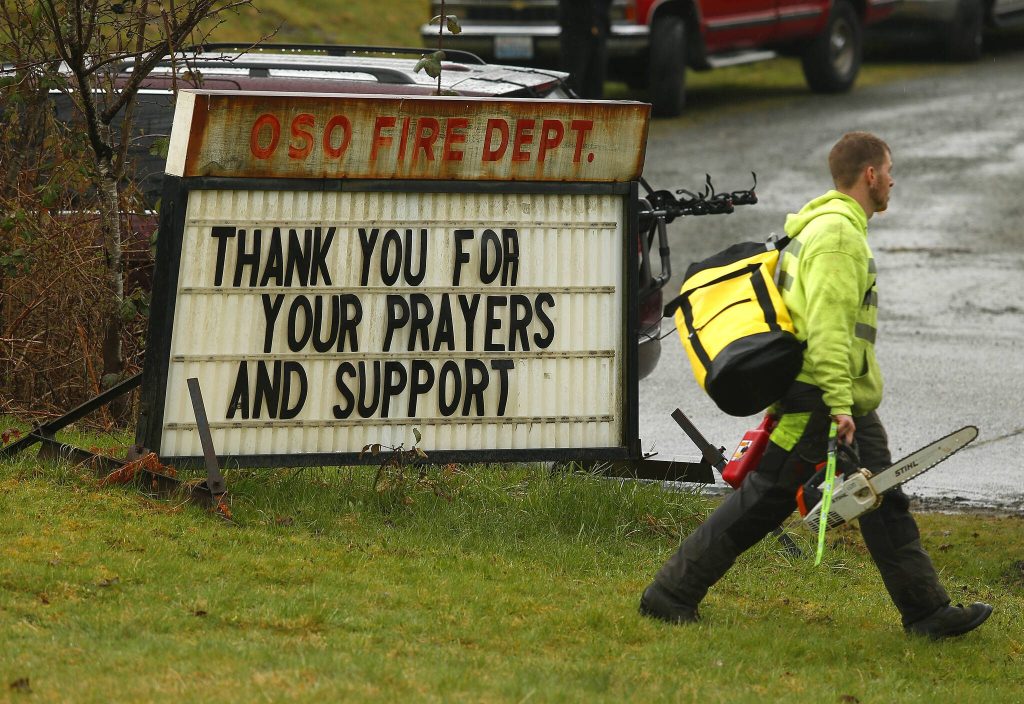
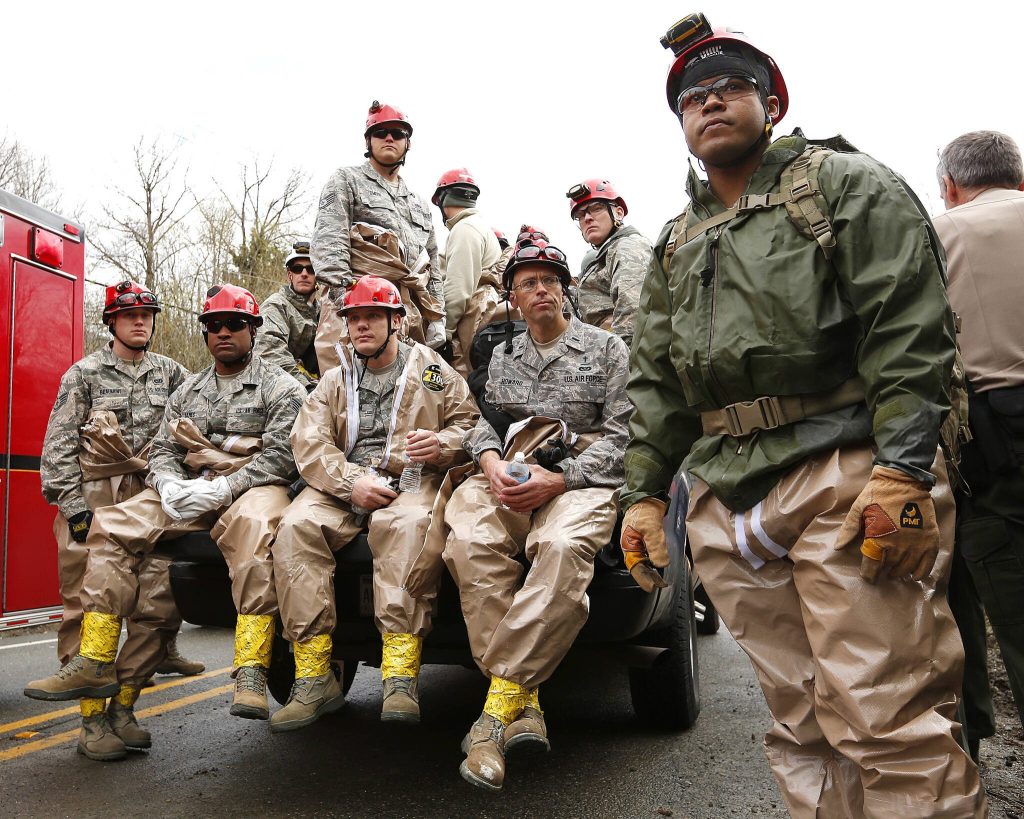
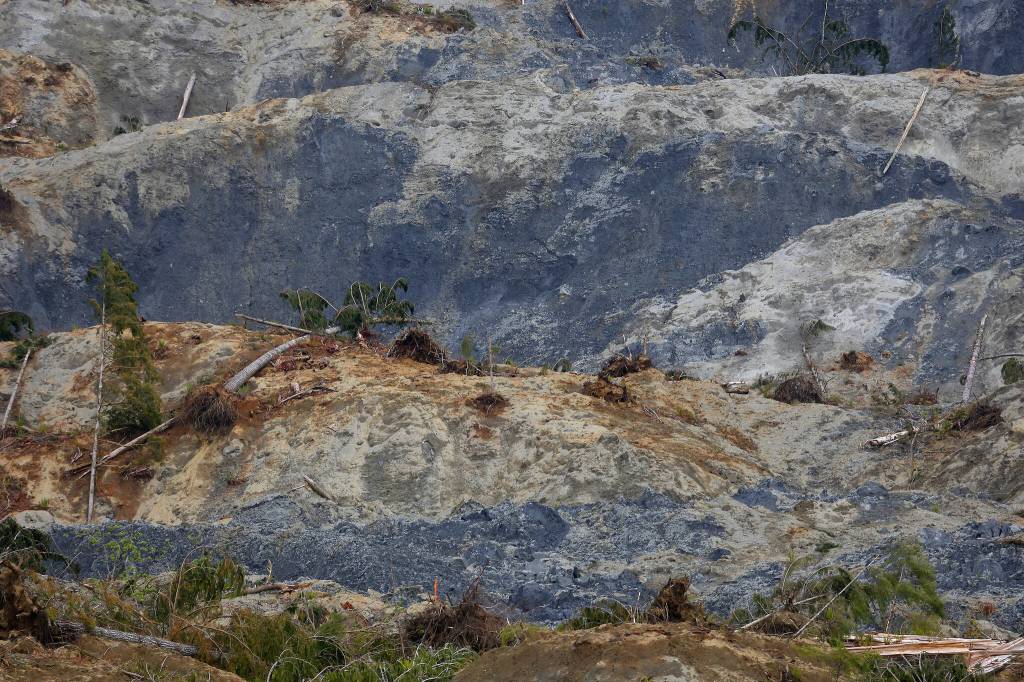
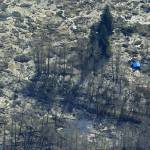
March 22, 2014. At 10:37 a.m., the deadliest mudslide in U.S. history strikes east of Oso. Highway 530 is blocked. It’s estimated the slide contains 19 million tons of earth. Fifteen people are rescued by helicopter. Over the agonizing days and weeks that follow, searchers recover dozens of bodies from the mud.
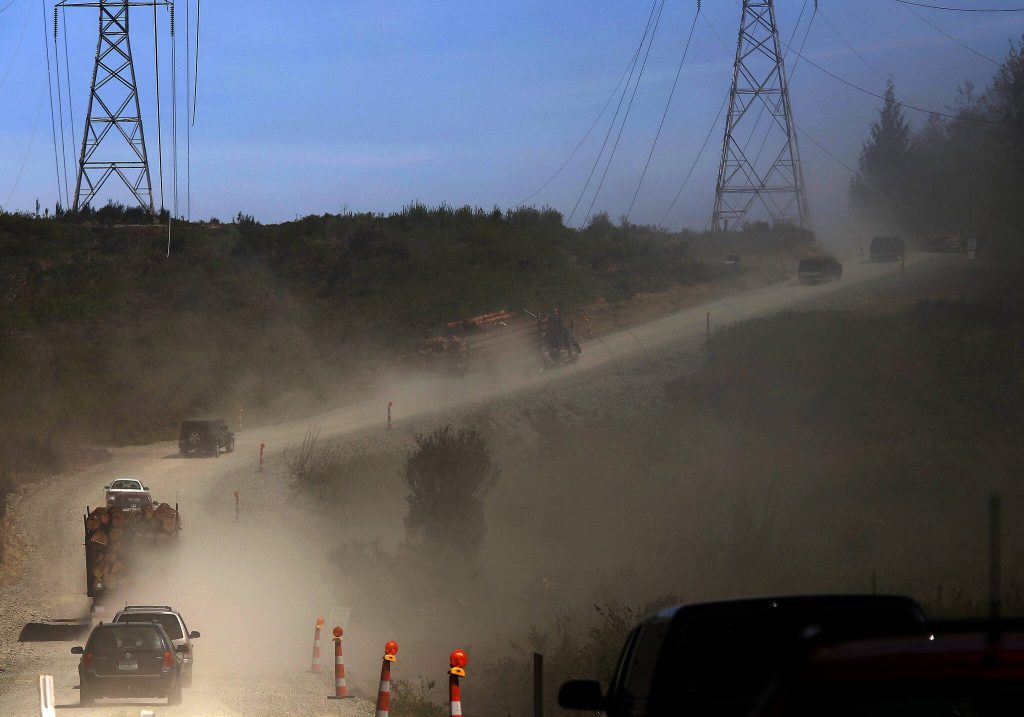
March 24. Phone and internet service are restored in Darrington. Meanwhile, a road detour to get to Darrington takes about three hours, as residents are forced to drive into Skagit County to reach basic necessities.
April 18. The first damage claim is filed against Snohomish County and the state of Washington, marking the start of a courtroom battle that stretches on for years. Survivors seek millions of dollars and answers from officials.
April 22. President Barack Obama visits the slide zone and meets with those affected by the disaster.
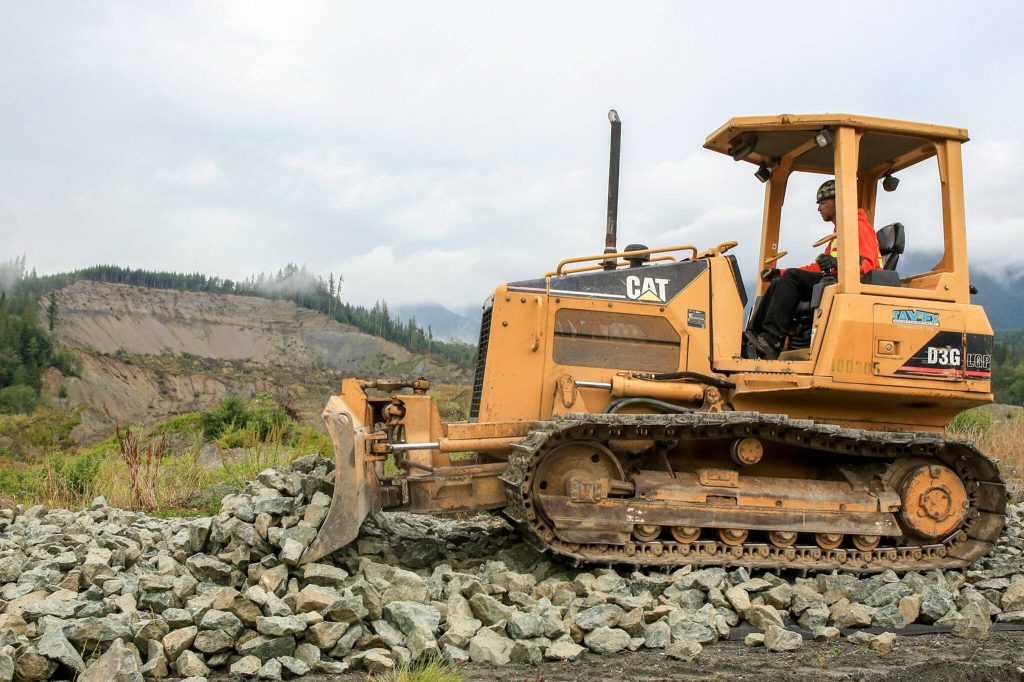
April 29. A Highway 530 bypass opens.
May 30. Highway 530 reopens to one-way traffic, much earlier than expected. The Daily Herald publishes “The Rising,” a comprehensive account of resilience in the face of the slide’s devastation.
July 1. The first Oso mudslide lawsuit is formally filed, claiming Snohomish County and the state Department of Natural Resources were negligent, leading to deaths in two related families. The plaintiffs contend homes were built without a flood control permit and that families in the Steelhead Haven neighborhood were given little information about the threat of a landslide.
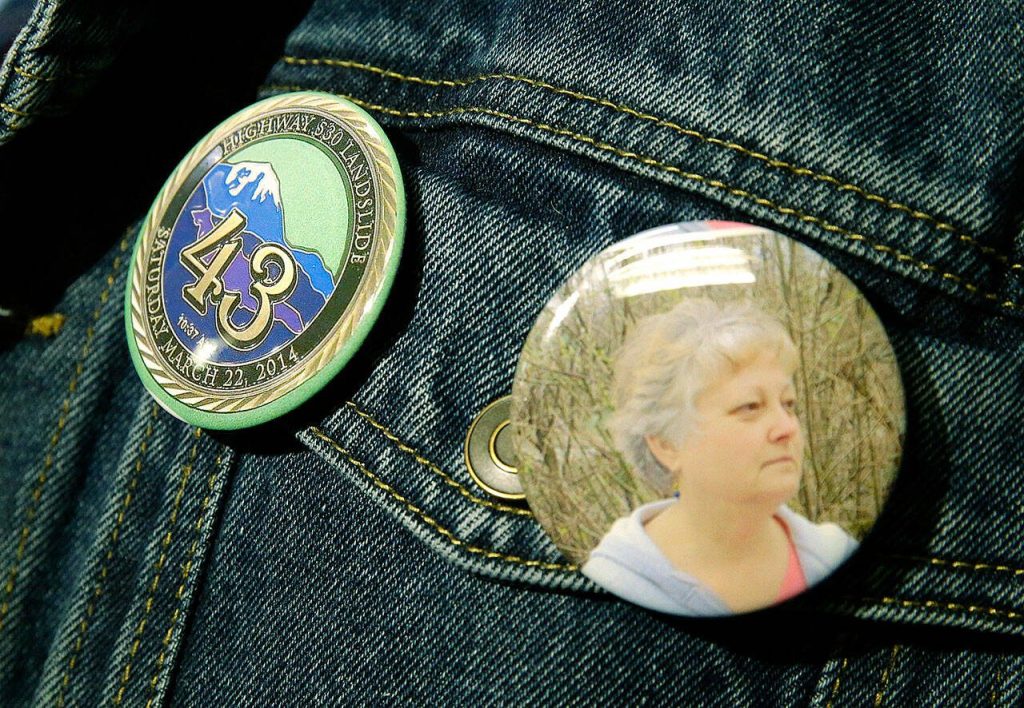
July 22. The last mudslide victim, Molly “Kris” Regelbrugge, is found and identified. Against all odds, the remains of all 43 people killed in the slide were recovered.
September 2014. Forty-three trees are planted in remembrance of the victims. Highway 530 fully reopens six months to the day after the slide.
Dec. 8. A timber harvest study, looking at the impact of logging on the slide area, is inconclusive. The 59-page report released by the state Department of Natural Resources looks at logging practices near Steelhead Haven. The report “is based on approximately 10,000 pages of electronic and paper documents, and seventeen interviews conducted by DNR with current and former staff, and external individuals who participated in or had knowledge of the area’s regulatory history.”
Dec. 15. The SR 530 Landslide Commission — a state and county task force — releases its final report on “lessons learned and recommendations,” derived from interviews with “survivors, victims’ families, professional and volunteer first responders, (and) local volunteers including loggers, contractors, mill workers” and many others.
April 2015. The Seattle Times is awarded the Pulitzer Prize for its coverage of the slide.
Jan. 8, 2015. The U.S. Geological Survey finds near-record rain gave the slide its destructive power.
July 2, 2016. Snohomish County wins a key court battle in a lawsuit filed after the Oso mudslide. King County Superior Court Judge Roger Rogoff holds that only those who attended a 2006 meeting about flooding and other hazard risks in the Steelhead Haven area, or those “who relied on the substance” of information shared at that meeting, could pursue claims that they were insufficiently warned.
July 2016. The Darrington Historical Society and University of Washington graduate students build a slide website and archive and release it to the public. Crews begin rebuilding a 1-mile section of the Whitehorse Trail destroyed in the slide.
Sept. 12. King County Judge Rogoff says emails deleted by state experts and lawyers discussing the cause of the slide harmed the case of survivors and relatives of those who were killed.
Sept. 16. Snohomish County is dismissed from what’s believed to be the largest-ever wrongful death lawsuit in state history, relating to the slide. “The value of that claim weighed against the cost of trial and expenditure of judicial resources makes it inadvisable to pursue at this time,” writes Karen Willie, a Seattle attorney representing some of the plaintiffs, in court papers.
Oct. 9. The state settles with the largest group of victims of the slide for $50 million.
Oct. 10. Timber company Grandy Lake Forest Associates settles with the same families for another $10 million.
Nov. 1. The county buys a final property connected with the slide. The county had bought properties in and around the slide following the disaster.
March 22, 2017. U.S. Rep. Suzan DelBene first introduces the “National Landslide Preparedness Act” to Congress. The law instructs the U.S. Geological Survey to develop a strategy to address landslide hazards and improve mapping of slide-prone areas.
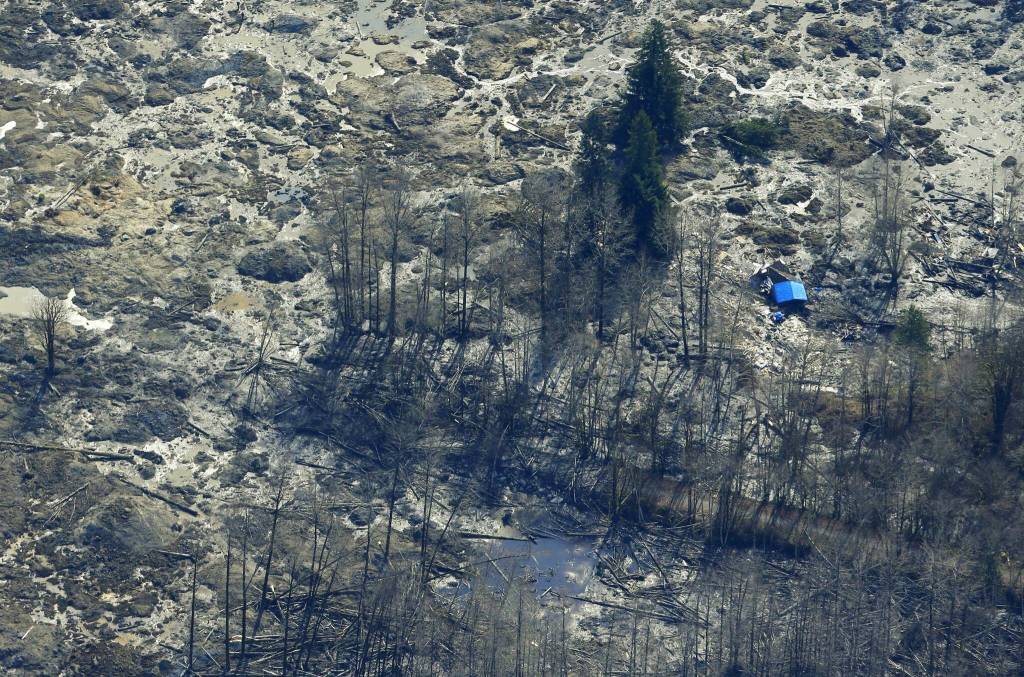
Sept. 16. The largest tree to withstand the force of the mudslide, a Sitka spruce, is taken down by Snohomish County crews out of caution, as it was a hazard. It was buried two stories deep. The damaged tree served as a symbol of recovery. Its wood was saved.
April 16, 2018. The state and German-owned timber firm Grandy Lake Forest Associates settle with a second group of Oso families for $11.5 millions.
Aug. 9. Judge Rogoff rules the final Oso mudslide wrongful death lawsuit, relating to deceased victim Steve Hadaway, can head to trial. His family had sued the state and Grandy Lake. A month later, the Hadaway family settles its case, King County court records show.
Dec. 31. Snohomish County is shielded from any lawsuits over slide deaths or injuries after an appeals court decision to affirm a lower court. The county was protected from liability because of a state law intended to encourage county governments to address flood dangers and protect fish habitat.
Feb. 22, 2019. Highway 530 between Darrington and Arlington is renamed the “Oso Slide Memorial Highway.”
Jan. 5, 2021. The National Landslide Preparedness Act is signed into law.
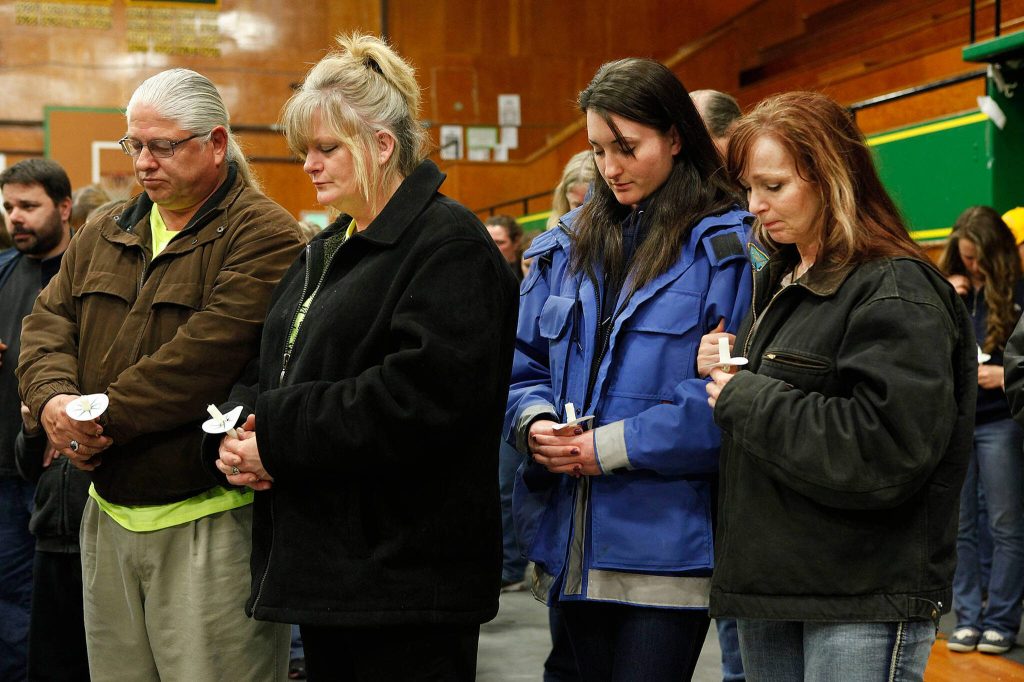
March 2024. Families of slide victims, again in the media spotlight, mark the 10th anniversary of the disaster.