UPDATE: Underwater noises detected in search for missing submersible
Published 6:30 am Tuesday, June 20, 2023
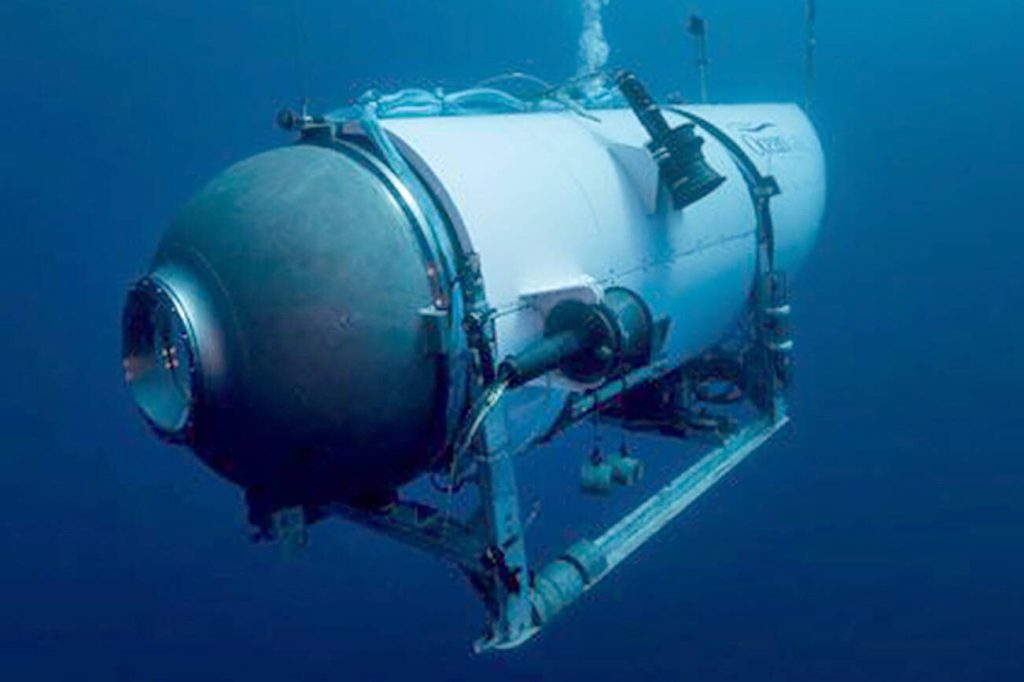
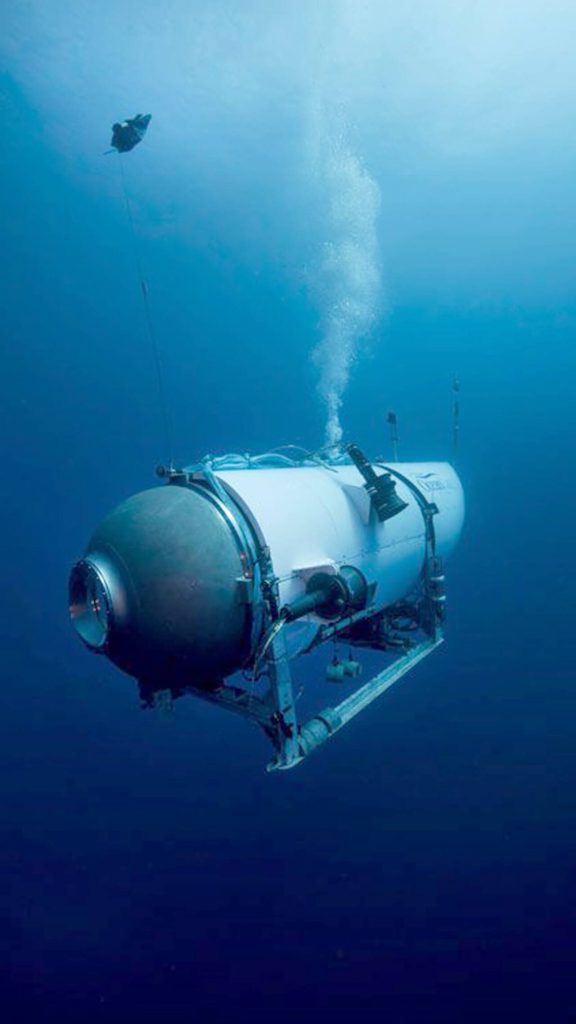
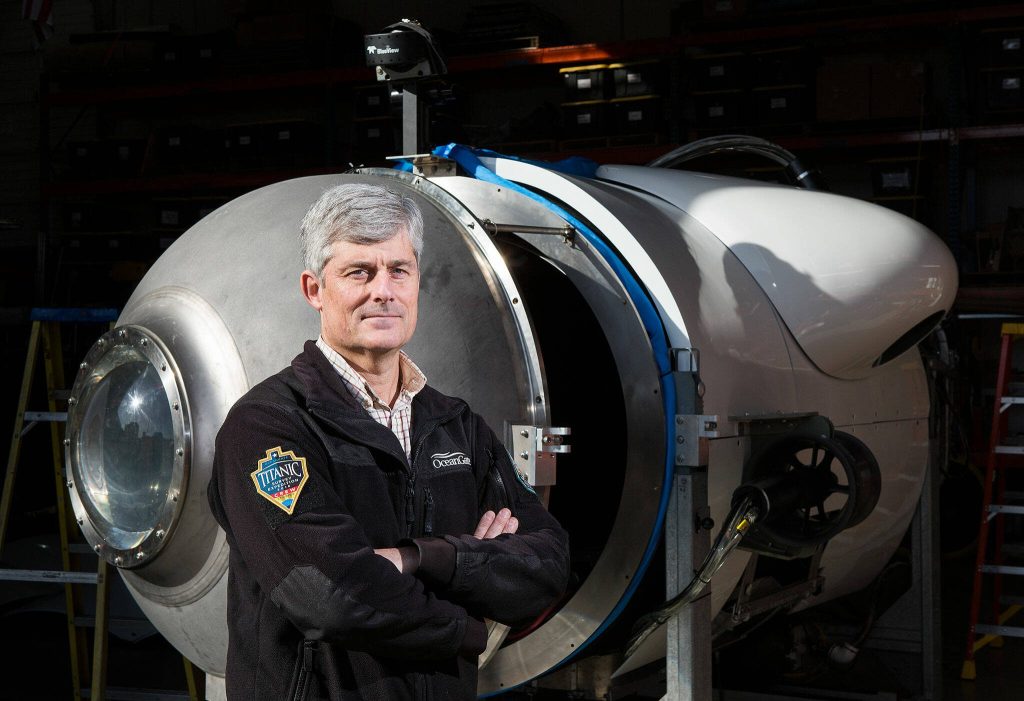

The US Coast Guard says a Canadian aircraft has detected underwater noises during search for a submersible that vanished while taking five people down to the wreck of the Titanic.
As a result of the noises detected by the Canadian P-3 aircraft, search efforts have been relocated. Those searches had not found anything, but are continuing, according to The Associated Press.
The news comes as the search for the missing submersible Titan and its five-person crew continued Tuesday.
Rescue efforts intensified as the clock ticked down with the world watching after the Everett-based OceanGate Expeditions submersible was reported overdue Sunday night en route to the wreckage of the Titanic.
The Titan has an emergency oxygen supply of up to 96 hours.
“There are about 40 hours of breathable air left … based on 96 hours from when the vessel submerged,” Capt. Jamie Frederick said at a 10 a.m. (Pacific time) Tuesday press conference by the U.S. Coast Guard First District in Boston, which is coordinating the search effort for the 21-foot submersible.
That means the oxygen supply could run out Thursday morning.
Frederick couldn’t say if that was enough time to save the five people onboard. The Coast Guard has not released their names by Tuesday afternoon, but news reports have identified the five as OceanGate CEO Stockton Rush, who resides in Seattle, aviation company Action Aviation chairman Hamish Harding, Engro Corporation vice chairman Shahzada Dawood and his son Suleman, and French explorer Paul-Henry Nargeolet, the pilot of the submersible.
A unified command was set up with U.S. and Canadian agencies for the sub missing about 900 miles east of Cape Cod.
“Getting salvage equipment on scene is a top priority,” Frederick said.
About an hour and 45 minutes into Sunday’s dive, contact was lost with the submersible, Frederick said.
Searchers deployed ships and aircraft as well as underwater devices.
“To date those search efforts have not yielded any results,” Frederick said. Additional assets are being brought in, he said, including private vessels.
He said it is a very complex search and that teams are working around the clock.
Canadian and U.S. Coast Guard crews have looked for the deep-sea vessel capable of reaching 13,000 feet below the water’s surface in the North Atlantic Ocean.
As of early Tuesday morning, the search area spanned 10,000 square miles with aerial surveillance by C-130 Hercules planes, a P8 plane that deployed sonar buoys, and a Canadian P3 Aurora also conducting sonar searches, according to the U.S. Coast Guard Northeast region.
Crews of the submersible’s base ship, the Polar Prince, and another research vessel named the Deep Energy, were looking on the surface, according to the Coast Guard.
OceanGate relocated from Seattle to the Port of Everett in 2015 for the assembly and sea trials of submersibles, according to a 2018 story in The Daily Herald.
It has a space with one bay in the Craftsman District Boat Repair Yard, in the back of the building that houses the Port office, Scuttlebutt Family Pub and other tenants. The door is unmarked.
On the company’s website, it says the Titan’s “integrated real-time health monitoring system … makes it possible to analyze the effects of changing pressure on the vessel as the submersible dives deeper, and accurately assess the integrity of the structure. This onboard health analysis monitoring system provides early warning detection for the pilot with enough time to arrest the descent and safely return to surface.”
The Associated Press contributed to this report
Andrea Brown: 425-339-3443; abrown@heraldnet.com; Twitter: @reporterbrown.
Ben Watanabe: 425-339-3037; bwatanabe@heraldnet.com; Twitter: @benwatanabe.