6 pending bills that support workers, promote pay transparency
Published 4:39 pm Wednesday, February 16, 2022
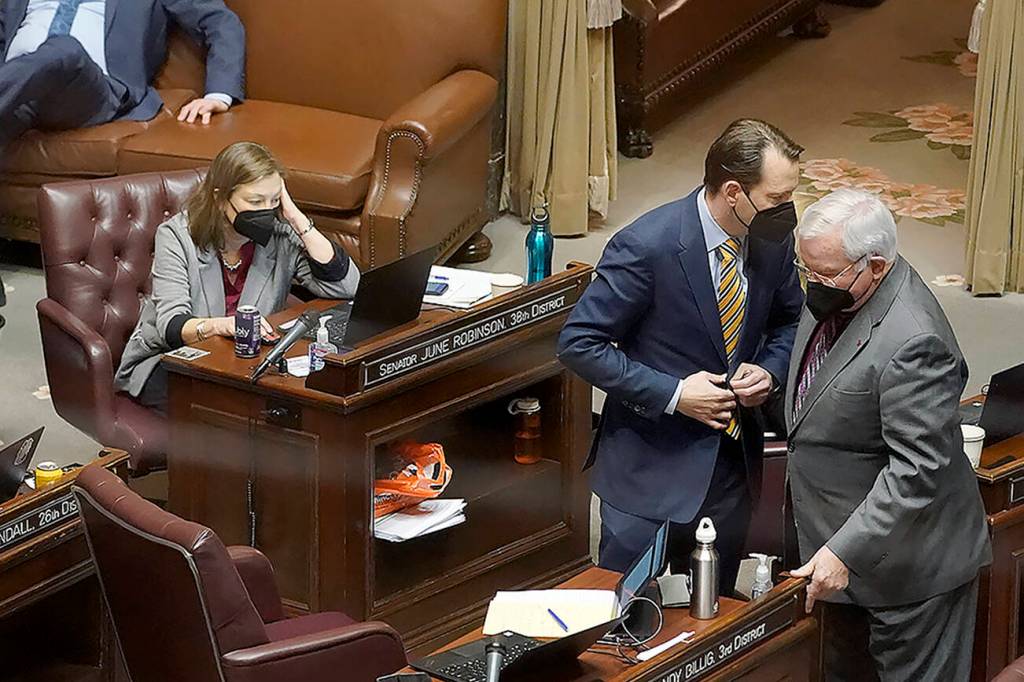
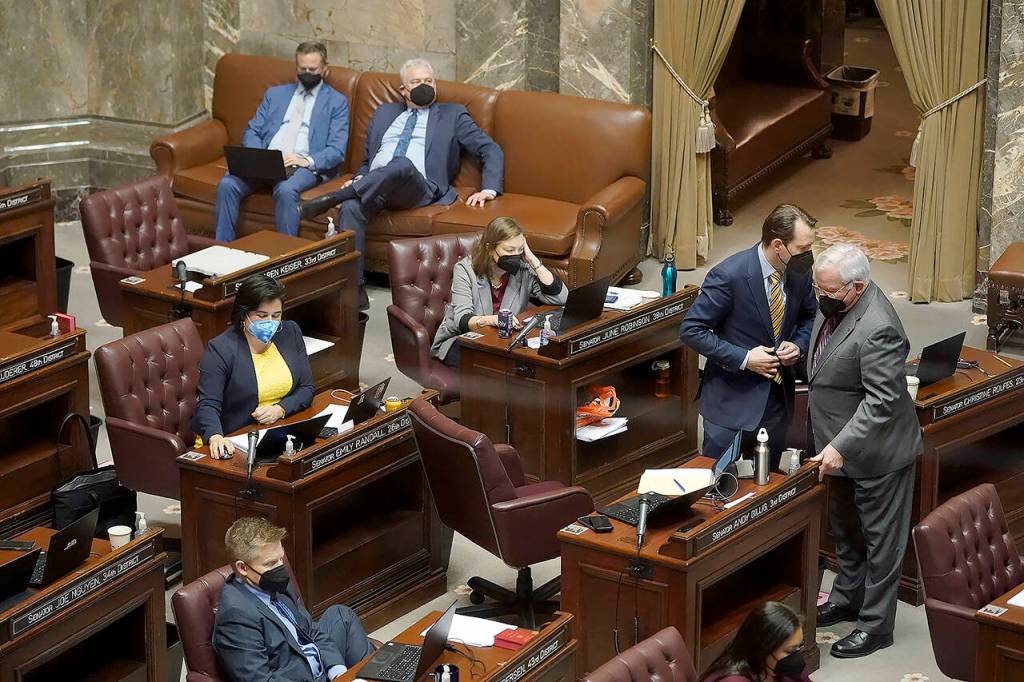


OLYMPIA — As the “Great Resignation” continues, legislators are advancing bills that protect workers, promote pay transparency and aim to make jobs in struggling sectors more attractive.
Here are a few that cleared the 5 p.m. Tuesday cut-off to pass their house of origin. The next deadline is Feb. 24.
1. ESSB 5761 — Wages and benefits in job postings
What it does: The bill requires employers to include the salary range in job postings, as well as a general description of the benefits and other compensation. It would apply to businesses with 15 or more employees.
2. ESHB 1795 — Nondisclosure agreements in the workplace
What it does: The bill aims to stop employers from using nondisclosure agreements to hide illegal conduct against workers. It bars employers from including provisions in a nondisclosure agreement that prevent workers from discussing workplace discrimination, harassment, retaliation, wage and hour violations and sexual assault.
3. SB 5763 — Wage requirements for people with disabilities
What it does: Last year, the Legislature abolished paying people with disabilities less than minimum wage. SB 5763 repeals a law that requires the Department of Labor and Industries to give certain employers certificates that allow them to pay people with disabilities less than minimum wage.
“This outdated carve-out to the prevailing wage statute, though unused in recent years, remains on the books,” said prime sponsor Sen. Emily Randall at a public hearing. It “statutorily authorizes a continued undervaluing of people with disabilities. So, 5763 is a good clean-up bill.”
4. SHB 2019 — Training and education for retail workers
What it does: The bill directs a state board to find ways retail workers can advance and obtain higher-wage jobs in retail. The Workforce Training and Education Coordinating Board would submit its first report to the Legislature in December. The Workforce Board would submit a final report in December 2023, with legislative recommendations.
5. E2SHB 1868 — Hospital staffing and minimum nurse-to-patient ratios
What it does: The bill establishes minimum staffing standards in hospitals. It limits the number of patients that nurses and other health care workers are required to care for at one time. It also strengthens enforcement of meal, rest break and overtime violations.
Nurses at Providence Regional Medical Center Everett say they’re losing coworkers to burnout and high-paying travel jobs.
6. ESHB 1699 — Retirees and school district staffing
What it does: School districts are struggling to hire substitute teachers, para-educators and support staff. The bill aims to encourage retirees to apply for these jobs. It would allow them to work in non-administrative positions at a school district, without affecting retirement benefits from the Public Employees’ Retirement System, the School Employees’ Retirement System or the Teachers’ Retirement System. The current version of the bill would also allow retirees to work in administrative positions, if the district has fewer than 2,000 students. Retirees could work up to 1,040 hours per year. The new rules would expire in July 2025.
Clarification: The story was updated to include that ESHB 1699 would allow retirees to work in administrative roles at school districts, if the district has fewer than 2,000 students.
Katie Hayes: katie.hayes@heraldnet.com; Twitter: @misskatiehayes.
Katie Hayes is a Report for America corps member and writes about issues that affect the working class for The Daily Herald.